The thinking behind the work.

Thirty years of watching brands succeed and fail comes down to a handful of ideas. These are the ones that keep proving themselves.

Customer Behavior

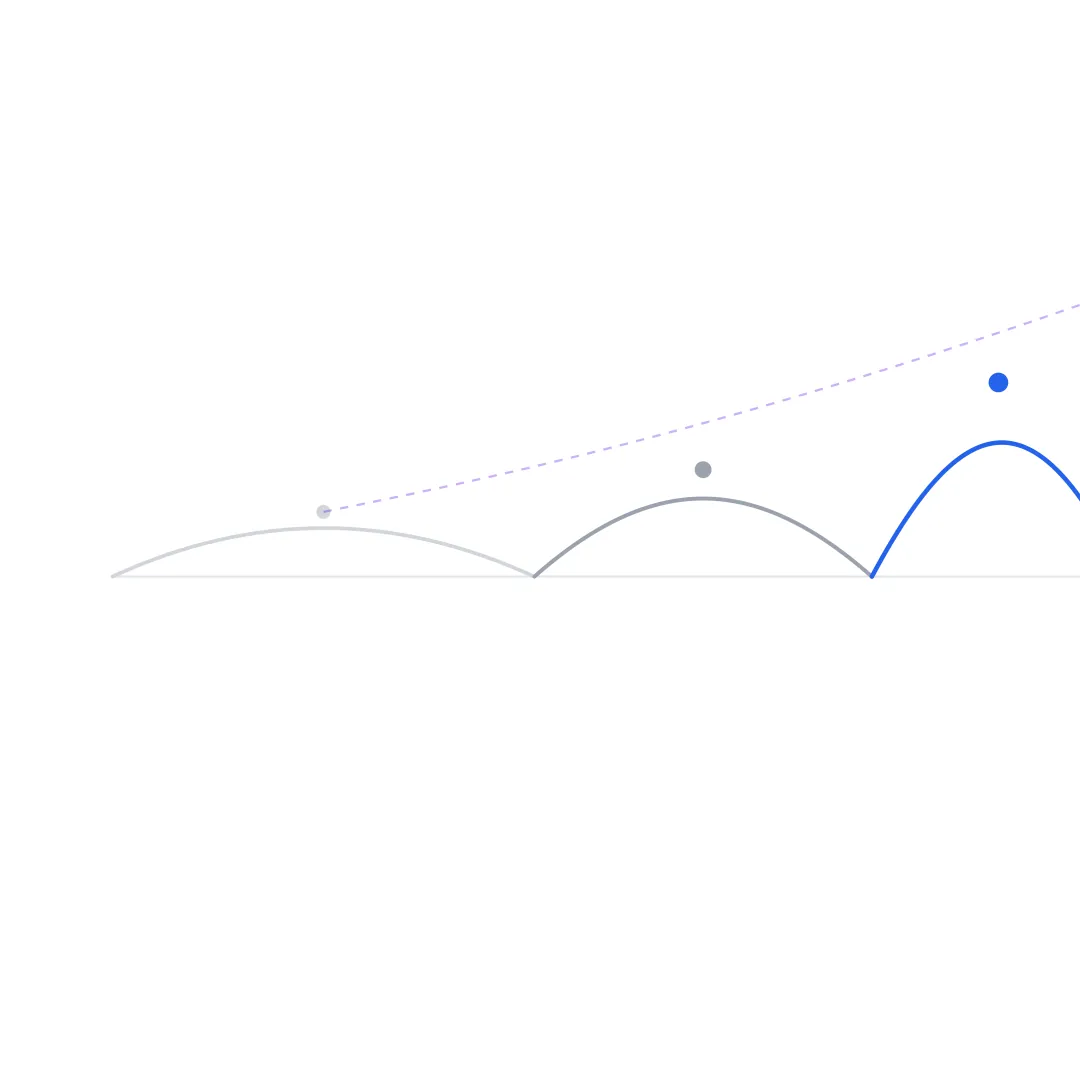
Customers compare faster than businesses evolve.
Customer in motion diagram

The pace at which customers evaluate, compare, and form opinions about brands has accelerated dramatically in the past decade. A prospect can now research a category, read a dozen reviews, compare three competitors, and form a strong preference in the time it used to take to find the phone number of a business. The tools are instant. The information is abundant. The decision threshold has compressed.

Most businesses have not adjusted to this reality. Their marketing systems were built for a slower customer — one who asked questions, attended demos, waited for sales calls. Those systems depend on friction that no longer exists. The modern customer does not wait for the brand to make its case. They arrive at a conclusion before first contact, based on what they found, what they read, and who their network trusted.

This is not a problem to solve. It is a condition to accept and design for. Brands that understand this build trust infrastructure before the customer ever shows up: structured content, consistent reviews, clear category positioning, and entity authority that answers the question before it is asked. The brands that ignore this find themselves explaining themselves to customers who have already decided.

Trust Systems

Trust is a visibility system. Visibility without trust is noise.

Trust compounding diagram

Visibility is not the goal. It is the output of something more fundamental. A brand that is visible without being trusted is simply generating noise at scale — spending resources to reach people who are not ready to receive the message. The reach is real. The result is not.

Trust changes the economics of visibility. When a customer already trusts a brand, each new marketing signal lands in a receptive environment. It reinforces what they already believe. It accelerates a decision that was already trending toward selection. When a customer does not trust a brand, the same signal must first overcome skepticism, answer unspoken objections, and compete against every other option they have encountered. The cost per outcome is radically different.

Building trust before visibility means building it structurally: through consistent reviews, through category authority content, through reputation that exists independently of any campaign. This is what The Marketing Helix describes as accumulated trust mass — the gravitational field that pulls aligned messages into consideration without external force. Visibility then becomes an amplifier of something that already exists, not a substitute for something that does not.

Brand Positioning

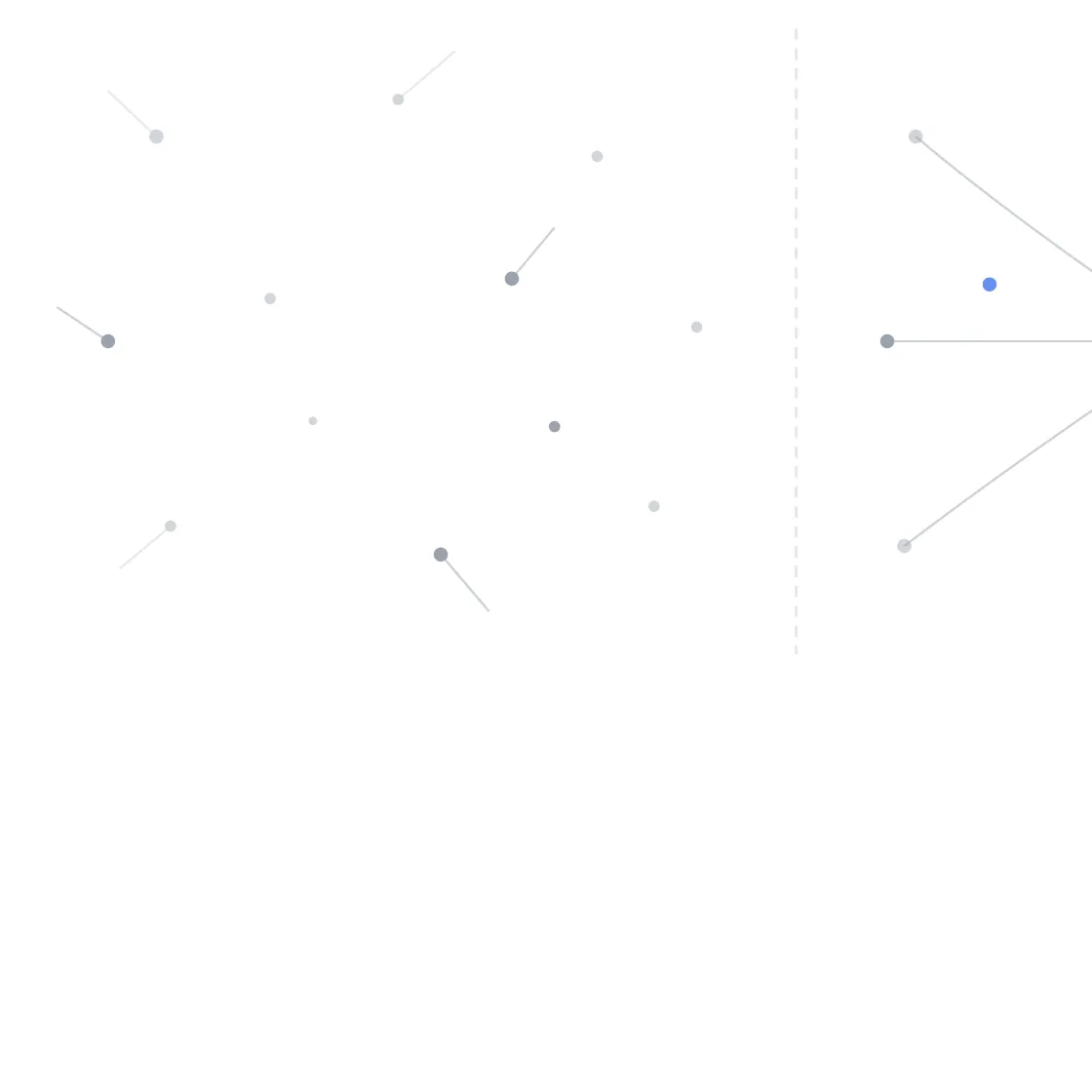
When customers misunderstand what a brand does, they do not ask for clarification. They move on.

Scattered vs focused signals diagram

Category confusion is a silent killer. It does not announce itself. There are no error messages, no complaint calls, no lost-deal reports that say "we moved on because we did not understand what you do." The customer simply disappears. The brand assumes it was price, or timing, or competition. The actual cause — that the market never correctly understood what the brand offered — goes unexamined.

The StratusClean rebrand is the most direct example of this I have encountered in 30 years. Stratus Building Solutions was a commercial cleaning franchise competing in a crowded market where "building solutions" communicated nothing and differentiated less. The name generated confusion that prevented first conversations. Customers who might have been a perfect fit moved on to competitors with clearer positioning before Stratus ever had a chance to explain itself. The problem was not the service. It was the signal.

Clarity is not a marketing luxury. It is a commercial prerequisite. A brand that cannot be understood cannot be chosen. The work of positioning is to make the right category signal land correctly — before the customer forms a question they will never ask and makes a decision the brand never sees.

Framework

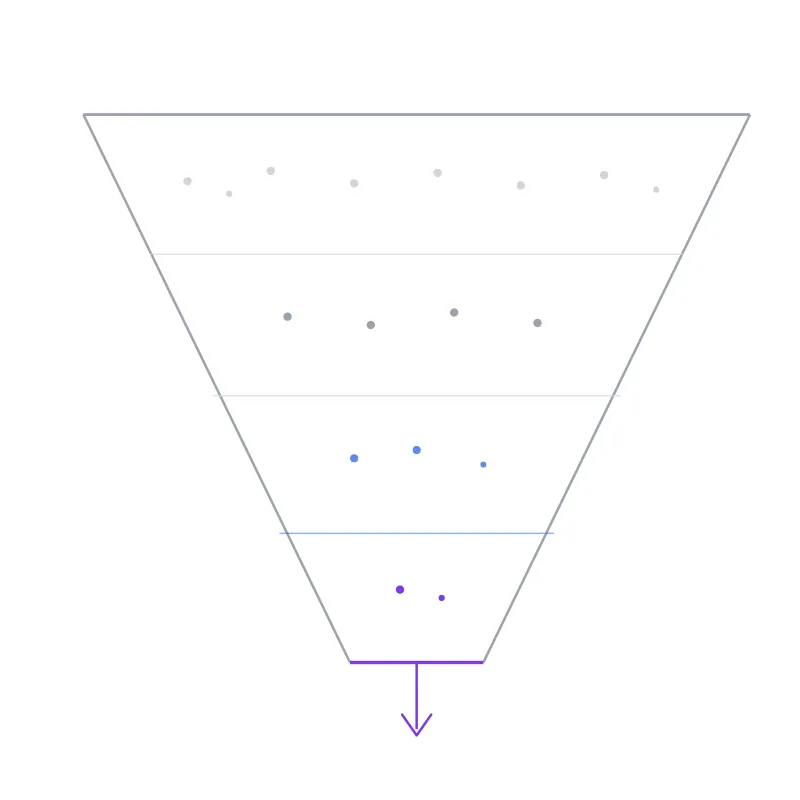
The funnel assumes customers wait. They do not. They are in motion.

The old marketing funnel diagram

The marketing funnel is a useful fiction. It helped generations of marketers organize their thinking and their budgets. It gave sales teams a language for stages. But it rests on an assumption that has never been fully true and is now operationally wrong: that customers move through a defined sequence, at a pace controlled by the brand, through stages the brand can observe and act on.

Customers are not in a funnel. They are in motion. Their awareness state, their consideration depth, their trust level — all of it shifts continuously, driven by things the brand did not arrange and cannot observe. A customer might encounter a category for the first time through a podcast, form a strong preference based on a Reddit thread, and arrive at a website already 80% decided — without ever touching the top of the funnel the brand designed. The funnel missed all of that motion and takes credit for the final 20%.

The Marketing Helix is built on a different observation: trust, relevance, and timing determine alignment. All three must be present simultaneously. The brand's job is to build trust continuously, maintain relevance across decision states, and be present when timing converges. This is not a linear process. It is an orbital one. And the brands that understand this build systems accordingly — compounding, not campaigning.

Visibility

Being seen is not the same as being remembered.

Signal field diagram

Impressions are not the same as memory. Reach is not the same as recall. A brand can run a campaign that generates millions of exposures and emerge from it with no measurable increase in consideration or intent. The numbers looked strong. The outcome was hollow. This happens when visibility is disconnected from the conditions that create memory.

Memory is created by association, repetition, and emotional relevance. A brand that consistently occupies a specific, meaningful position in its category builds memory across customer interactions. A brand that trades in broad awareness — generic messages, wide audiences, high volume — generates exposure without anchoring to anything retrievable. The customer saw it. They cannot tell you what it was.

The shift toward AI-mediated discovery makes this more urgent. When a customer asks an AI tool for a recommendation, the AI draws on structured, authoritative, repeatedly confirmed information. Brands that have built memory in the AI's training data — through consistent, specific content — are cited. Brands that generated impressions without substance are invisible. Memory is now not just a human advantage. It is a structural input to whether a brand exists in the next generation of search.

Market Dynamics

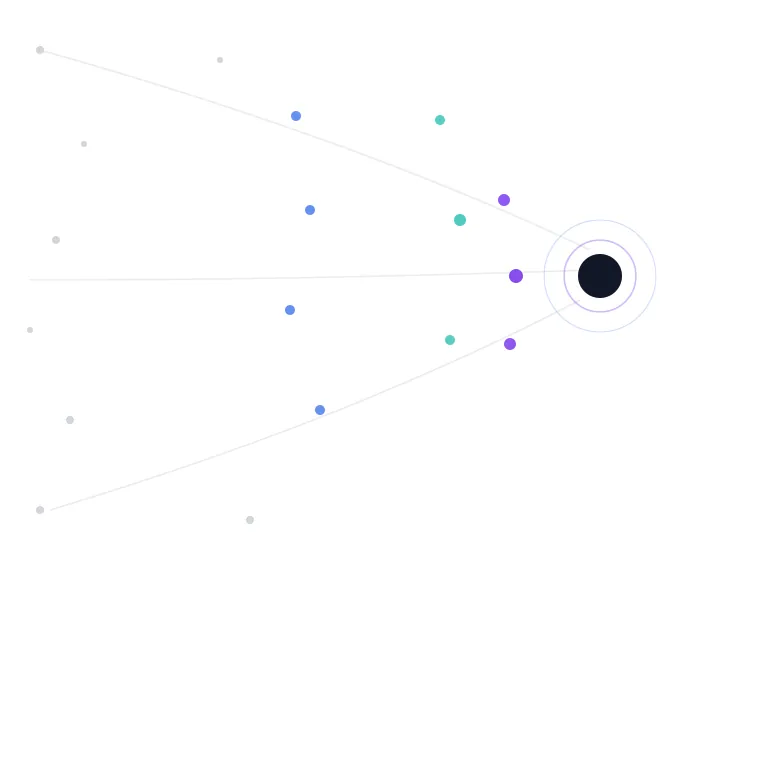
In markets where products converge, trust becomes the only differentiator.

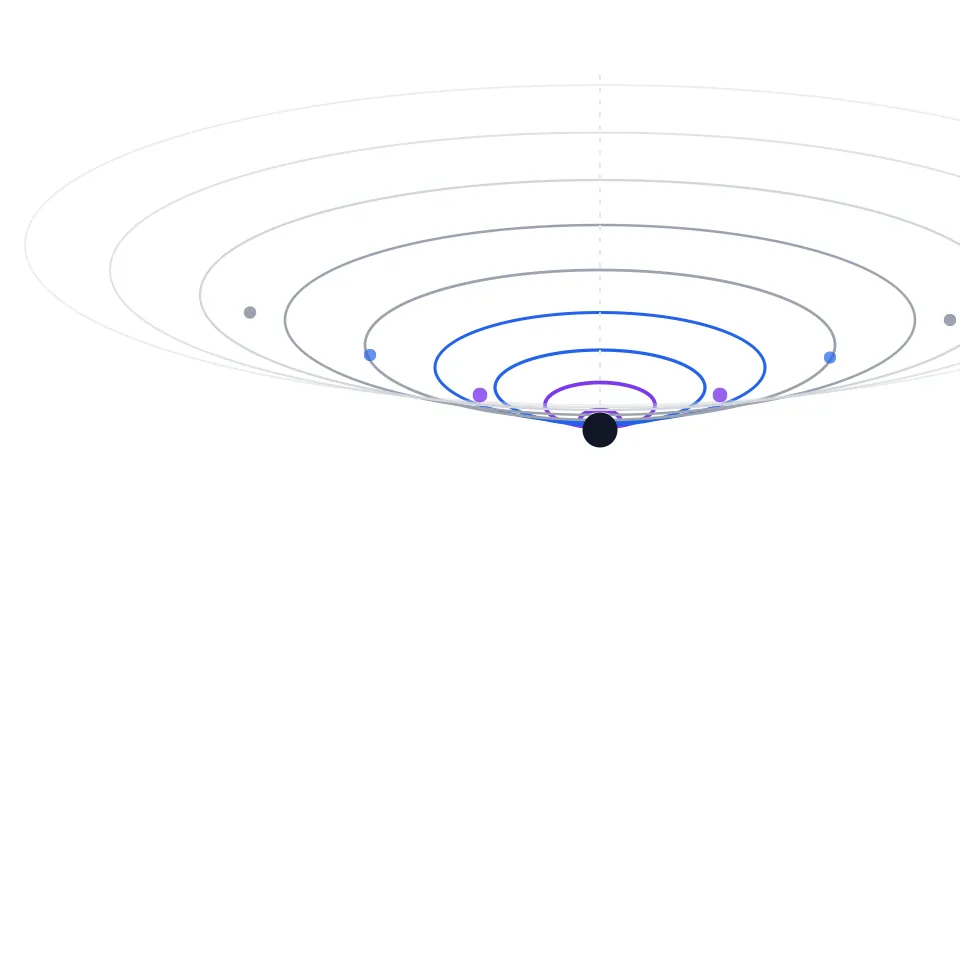
Gravity well diagram

Competitive advantage from product features has a shorter shelf life than it ever has. A feature that differentiates a product today is a table-stakes expectation within 18 months. Technology narrows gaps. Competitors copy. Customers adapt expectations upward. The differentiator that required years to build gets commoditized in months. This is the nature of mature, competitive markets.

What does not commoditize at the same rate is trust. Trust is slow to build and slow to transfer. A competitor can copy a feature overnight. They cannot copy the reputation that took a decade to earn, the reviews that accumulated over five years of client relationships, or the authority that comes from being consistently present and correct in a specific category over time. This is why trust-first brands tend to hold position longer than feature-first brands: their differentiation is not replicable at speed.

The brands I have worked with that understood this — StratusClean, Robertson and Associates, others — made a different kind of investment. They built trust infrastructure: review systems, content authority, reputation management, consistent positioning. Not because it was the fastest path to a sale, but because it was the only path to a position that would hold. In converging markets, the brand that owns trust owns the category. Everything else is price competition.

These ideas become systems at Digilu.

If any of this resonates, the next step is a conversation about what it means for your brand.